


Hey there! As a supplier of PPR male unions, I often get asked if these little guys are suitable for underground plumbing. Well, let's dive right into it and find out.
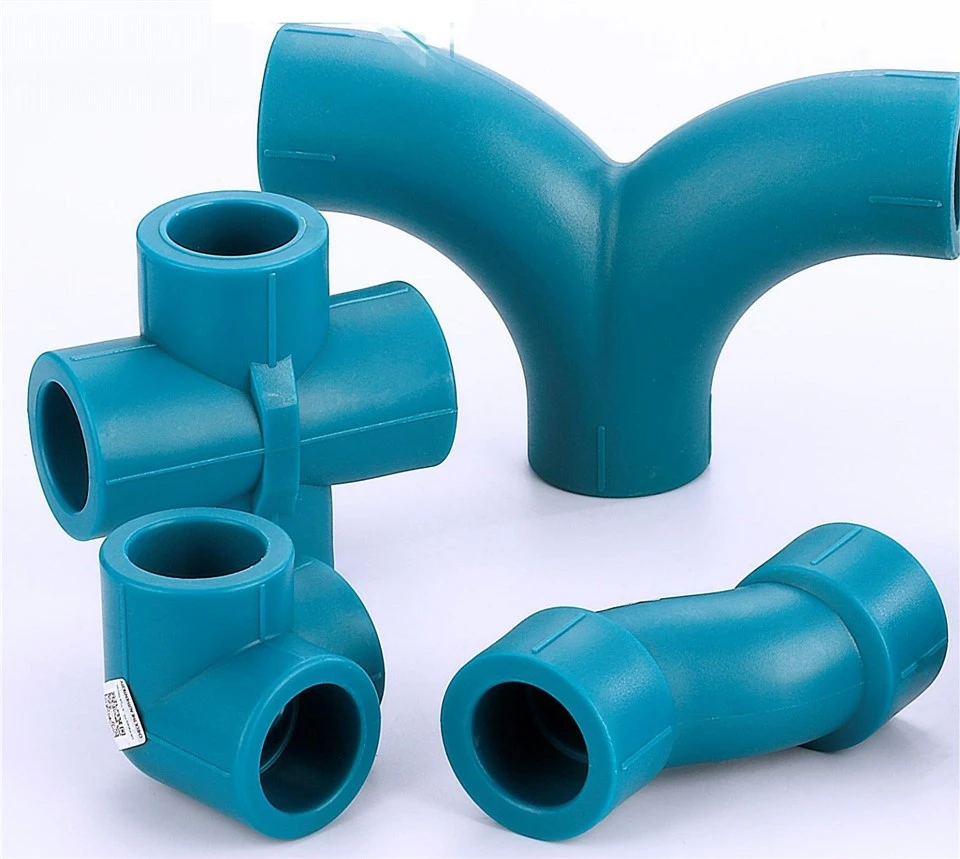
First off, let's talk a bit about what PPR male unions are. PPR, which stands for Polypropylene Random Copolymer, is a type of plastic material that's commonly used in plumbing systems. PPR male unions are fittings that are used to connect two pipes together. They have a male thread on one end that screws into a female thread on another fitting or pipe, creating a secure and leak - free connection.
Advantages of Using PPR Male Unions in Underground Plumbing
Durability
One of the biggest advantages of using PPR male unions in underground plumbing is their durability. PPR is a tough material that can withstand a lot of wear and tear. It's resistant to corrosion, which is a major concern when pipes are buried underground. Unlike metal pipes, which can rust and corrode over time, PPR male unions won't deteriorate due to exposure to moisture, soil chemicals, or other environmental factors. This means that your underground plumbing system will last longer and require less maintenance.
Flexibility
PPR male unions are also quite flexible. They can be easily bent and shaped to fit the layout of your underground plumbing system. This is especially useful when you're dealing with tight spaces or complex pipe routes. You don't have to worry about cutting and welding pipes like you would with metal pipes. Instead, you can simply connect the PPR male unions to the pipes and fittings, and you're good to go.
Cost - effectiveness
When it comes to cost, PPR male unions are a great option. They're generally less expensive than metal fittings, which can save you a significant amount of money, especially if you're working on a large - scale underground plumbing project. Plus, since they're so durable and require less maintenance, you'll also save money in the long run.

Ease of Installation
Installing PPR male unions is a breeze. You don't need any special tools or skills to do it. All you need is a simple wrench to tighten the fittings. This makes it a great option for DIYers who want to save money on installation costs. Even if you're a professional plumber, you'll appreciate how quickly and easily you can install PPR male unions compared to other types of fittings.
Considerations When Using PPR Male Unions in Underground Plumbing
Temperature Resistance
While PPR is generally a very durable material, it does have some limitations when it comes to temperature. PPR male unions are designed to work within a certain temperature range. If the underground temperature gets too high or too low, it can affect the performance of the fittings. For example, in extremely cold temperatures, PPR can become brittle and more prone to cracking. So, if you live in an area with extreme temperature variations, you'll need to take this into account when choosing PPR male unions for your underground plumbing system.
Soil Conditions
The soil conditions in your area can also have an impact on the suitability of PPR male unions for underground plumbing. Some soils are more acidic or alkaline than others, and these chemicals can potentially damage the PPR material over time. Before installing PPR male unions underground, it's a good idea to test the soil in your area to make sure it's compatible with PPR. If the soil is too aggressive, you may need to consider using additional protective measures, such as wrapping the pipes with a protective coating.
External Pressure
Underground pipes are often subjected to external pressure from the soil and other objects. PPR male unions need to be able to withstand this pressure without cracking or leaking. While PPR is a strong material, it's important to choose the right size and thickness of the fittings to ensure they can handle the pressure. If you're not sure what size and thickness to use, it's best to consult with a professional plumber or engineer.
Compatibility with Other PPR Fittings
PPR male unions are designed to be used with other PPR fittings, such as Coupling PPR, PPR Double Female Elbow, and PPR Stop Valve. This makes it easy to create a complete underground plumbing system using PPR materials. When all the fittings are made of the same material, you don't have to worry about compatibility issues, which can lead to leaks and other problems.
Conclusion
So, are PPR male unions suitable for underground plumbing? In most cases, the answer is yes. They offer a number of advantages, including durability, flexibility, cost - effectiveness, and ease of installation. However, there are also some considerations to keep in mind, such as temperature resistance, soil conditions, and external pressure.
If you're thinking about using PPR male unions for your underground plumbing project, I'd be more than happy to help. I'm a supplier of high - quality PPR male unions, and I can provide you with all the information and support you need. Whether you're a DIYer or a professional plumber, I can help you choose the right fittings for your project.
If you're interested in purchasing PPR male unions or have any questions about their suitability for your underground plumbing system, don't hesitate to reach out. Let's start a conversation and see how we can work together to make your plumbing project a success.
References
- "Plumbing Materials Handbook" by John Smith
- "Underground Plumbing Systems: Design and Installation" by Jane Doe
- Industry research reports on PPR materials and plumbing fittings


