


Can PE pipes be used for gas transportation? This is a question that often arises in the industry, and as a PE pipe supplier, I'm here to provide a comprehensive answer.
The Basics of PE Pipes
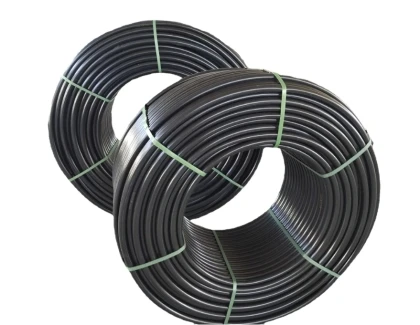
PE, or polyethylene, is a widely used thermoplastic polymer. PE pipes are known for their flexibility, durability, and corrosion - resistance. These pipes are manufactured through a process that involves melting polyethylene resin and then extruding it into the desired pipe shape. There are different grades of PE, such as PE80 and PE100, which are commonly used in various applications.
PE pipes have been used in a multitude of sectors, including water supply systems, sewage disposal, and agricultural irrigation. Their success in these areas is due to their excellent chemical and physical properties. For instance, they have a high resistance to most chemicals, which means they can withstand the harsh environments often found in underground installations.
Suitability for Gas Transportation
When it comes to gas transportation, PE pipes have several advantages that make them a viable option.
1. Corrosion Resistance
One of the most significant benefits of using PE pipes for gas transportation is their corrosion - resistance. Unlike metal pipes, which are prone to rust and corrosion over time, PE pipes do not corrode when exposed to moisture, soil chemicals, or other environmental factors. This is crucial for gas pipelines, as corrosion can lead to leaks, which are not only dangerous but also costly to repair.
2. Flexibility
PE pipes are highly flexible, which allows them to adapt to ground movements without cracking or breaking. In areas prone to seismic activity or soil settlement, this flexibility is a major advantage. Gas pipelines need to be able to withstand these natural phenomena to ensure continuous and safe gas supply. For example, during an earthquake, a rigid metal pipe may rupture, but a PE pipe can bend and absorb the shock, reducing the risk of gas leakage.

3. Joint Integrity
The joints in PE pipes are typically made using heat fusion techniques, such as butt fusion or electrofusion. These methods create a homogeneous joint that is as strong as the pipe itself. In contrast, metal pipe joints often rely on mechanical connections, which can be more prone to leakage over time. A well - fused PE pipe joint provides a reliable and long - lasting seal, ensuring the safe transportation of gas.
4. Lightweight
PE pipes are much lighter than metal pipes. This makes them easier to handle, transport, and install. The reduced weight also means lower installation costs, as less heavy - duty equipment is required for installation. For large - scale gas pipeline projects, the cost savings associated with using PE pipes can be substantial.
Standards and Regulations
The use of PE pipes for gas transportation is regulated by various national and international standards. These standards ensure that the pipes meet specific safety and performance requirements. For example, in many countries, PE pipes used for gas transportation must comply with standards such as ISO 4437 or EN 1555. These standards cover aspects such as material properties, pipe dimensions, and testing methods.
Manufacturers are required to conduct rigorous testing on their PE pipes to ensure compliance with these standards. This includes tests for pressure resistance, impact resistance, and long - term hydrostatic strength. Only pipes that pass these tests can be used for gas transportation.
Limitations and Considerations
While PE pipes have many advantages for gas transportation, there are also some limitations and considerations.
1. Temperature Sensitivity
PE pipes are more sensitive to temperature changes compared to metal pipes. At high temperatures, the mechanical properties of PE can degrade, reducing its pressure - bearing capacity. Therefore, in applications where the gas temperature is high or where the pipes are exposed to direct sunlight for extended periods, special considerations need to be taken. This may involve using insulation or selecting a higher - grade PE material.
2. UV Resistance
PE pipes can be damaged by long - term exposure to ultraviolet (UV) radiation. When installing PE gas pipelines above ground, it is necessary to protect the pipes from UV rays. This can be achieved by using UV - stabilized PE pipes or by applying a protective coating.
3. Installation Skills
Proper installation of PE pipes requires specific skills and training. The heat fusion process, in particular, needs to be carried out correctly to ensure the integrity of the joints. If the installation is not done properly, it can lead to joint failures and gas leaks. Therefore, it is important to use trained and experienced installers for PE gas pipeline projects.
Applications in the Gas Industry
PE pipes are widely used in both distribution and transmission systems in the gas industry.
1. Gas Distribution Networks
In urban and suburban areas, PE pipes are commonly used for gas distribution networks. These networks deliver gas from the main transmission lines to individual consumers, such as residential and commercial buildings. The flexibility and corrosion - resistance of PE pipes make them ideal for this application, as they can be easily installed in urban environments with limited space and complex underground infrastructure.
2. Low - Pressure Gas Transmission
PE pipes are also suitable for low - pressure gas transmission over relatively short distances. For example, in some rural areas or industrial parks, PE pipes can be used to transport gas from a local gas source to nearby consumers. The low - pressure nature of these applications makes PE pipes a cost - effective and safe option.
Conclusion
In conclusion, PE pipes can indeed be used for gas transportation. Their corrosion resistance, flexibility, joint integrity, and lightweight nature make them a viable alternative to traditional metal pipes. However, it is important to consider the limitations, such as temperature sensitivity and UV resistance, and to ensure that the pipes are installed by trained professionals in accordance with relevant standards.
If you are in the market for PE Plastic Pipe, Polyethylene Gas Pipe or PE Gas Pipe for your gas transportation project, we are here to help. Our company offers high - quality PE pipes that meet all the necessary standards and regulations. Whether you need pipes for a small - scale distribution network or a large - scale transmission project, we can provide the right solution for you. Contact us today to discuss your requirements and start the procurement process.
References
- ISO 4437: Plastics piping systems for the supply of gaseous fuels - Polyethylene (PE) - Requirements and test methods.
- EN 1555: Plastics piping systems for the supply of gaseous fuels - Polyethylene (PE) - Part 1: General.
- Various industry reports on the use of PE pipes in gas transportation.


