


As a supplier of PE Pipework, I've had numerous inquiries about the proper way to cut PE pipework. Cutting PE pipes accurately is crucial for various applications, whether it's for plumbing, irrigation, or gas distribution systems. In this blog, I'll share some professional insights and practical steps on how to cut PE pipework effectively.
Understanding PE Pipework
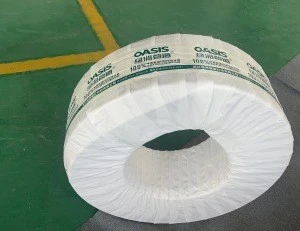
Before delving into the cutting process, it's essential to understand what PE pipework is. PE, or polyethylene, is a thermoplastic polymer known for its high durability, flexibility, and resistance to corrosion. PE Pipework is widely used in different industries due to its excellent properties. There are different types of PE pipes, such as PE Plastic Pipe and Polyethylene Gas Pipe, each designed for specific purposes.
Tools Required for Cutting PE Pipework
The choice of tools depends on the diameter and thickness of the PE pipe. Here are some common tools used for cutting PE pipes:
- Hacksaw: A hacksaw is a basic and affordable tool suitable for cutting small-diameter PE pipes (usually up to 50mm). It's easy to use and can be found in most toolkits. However, it may require more effort and time, especially for thicker pipes.
- Pipe Cutter: Pipe cutters are specifically designed for cutting pipes. There are different types of pipe cutters, such as manual pipe cutters and electric pipe cutters. Manual pipe cutters are suitable for medium-diameter pipes (up to 100mm), while electric pipe cutters can handle larger diameters and are more efficient for high-volume cutting.
- Band Saw: For cutting large-diameter PE pipes (over 100mm), a band saw is a preferred choice. It can provide a clean and straight cut, but it requires proper setup and safety precautions.
Preparation Before Cutting
- Measure and Mark: Use a measuring tape to determine the required length of the pipe. Mark the cutting point clearly using a marker or a scribe. Make sure the mark is straight and perpendicular to the pipe axis.
- Secure the Pipe: To ensure a clean and accurate cut, the pipe needs to be securely fixed. You can use a vise or a pipe clamp to hold the pipe in place. Make sure the pipe is stable and won't move during the cutting process.
- Wear Safety Gear: Cutting PE pipes can generate plastic shavings and dust, which may be harmful to your eyes and respiratory system. Wear safety glasses, a dust mask, and gloves to protect yourself.
Cutting Process
Using a Hacksaw
- Place the hacksaw blade on the marked cutting point. Make sure the blade is perpendicular to the pipe axis.
- Apply gentle pressure and start sawing back and forth. Use a smooth and steady motion. Avoid applying too much pressure at once, as it may cause the blade to break or the pipe to crack.
- As you saw, periodically check the cutting progress. If the blade starts to bind, remove it and clear the plastic shavings from the teeth.
- Once the cut is almost complete, reduce the pressure to prevent the pipe from splitting at the end. Finish the cut carefully.
Using a Manual Pipe Cutter
- Open the pipe cutter and place it around the pipe at the marked cutting point.
- Tighten the cutter until the cutting wheel makes contact with the pipe.
- Rotate the cutter around the pipe while gradually tightening the adjusting screw. The cutting wheel will score the pipe as you rotate.
- Continue rotating and tightening until the pipe is completely cut. This may take several rotations, depending on the pipe thickness.
Using an Electric Pipe Cutter
- Follow the manufacturer's instructions to set up the electric pipe cutter. Make sure it's properly connected to a power source and the cutting blade is installed correctly.
- Place the pipe in the cutter and align it with the cutting blade.
- Start the cutter and let the blade do the work. The electric motor will drive the blade to cut through the pipe quickly and smoothly.
- Once the cut is complete, turn off the cutter and remove the pipe.
Using a Band Saw
- Set up the band saw according to the pipe diameter and thickness. Adjust the blade speed and tension as recommended by the manufacturer.
- Place the pipe on the saw table and align it with the blade. Use clamps or other fixtures to secure the pipe.
- Start the band saw and slowly feed the pipe into the blade. Keep a steady hand and maintain a consistent feed rate.
- Once the cut is finished, turn off the saw and wait for the blade to stop completely before removing the pipe.
Post-Cutting Finishing
After cutting the PE pipe, it's important to finish the edges to ensure a proper fit and connection.

- Deburr the Edges: Use a file or a deburring tool to remove any sharp edges or burrs from the cut end of the pipe. This will prevent damage to the sealing rings or other components during installation.
- Clean the Pipe: Wipe the cut end of the pipe with a clean cloth to remove any plastic shavings or dust. This will help ensure a clean and tight connection.
Tips and Tricks
- Use Lubrication: When cutting PE pipes, especially with a hacksaw or a pipe cutter, applying a small amount of lubricant can reduce friction and make the cutting process smoother. You can use water, soap, or a specialized pipe cutting lubricant.
- Cut at a Right Angle: To ensure a proper fit and connection, it's crucial to cut the pipe at a right angle. Use a square or a protractor to check the angle during the cutting process.
- Test the Fit: Before making a permanent connection, test the fit of the cut pipe sections. Make sure they align properly and there are no gaps or misalignments.
Conclusion
Cutting PE pipework is a skill that requires proper tools, preparation, and technique. By following the steps and tips outlined in this blog, you can cut PE pipes accurately and efficiently for your projects. Whether you're a DIY enthusiast or a professional installer, mastering the art of cutting PE pipes will help you achieve better results.
If you're in need of high-quality PE Pipework, PE Plastic Pipe, or Polyethylene Gas Pipe, feel free to reach out to us for more information and to discuss your procurement needs. We're committed to providing you with the best products and services.
References
- "Polyethylene Pipes: Properties, Design, and Installation" by Thomas A. O'Horo
- Manufacturer's manuals for pipe cutting tools


