


PE pipes, short for polyethylene pipes, have gained significant popularity in various industries due to their durability, flexibility, and cost - effectiveness. As a PE pipe supplier, I'm here to share a comprehensive guide on how to install PE pipes. This guide will cover everything from pre - installation preparations to the final testing phase.
Pre - installation Preparations
Site Inspection
Before you start the installation process, a thorough site inspection is crucial. Examine the terrain where the pipes will be laid. Look for any potential obstacles such as rocks, roots, or existing underground utilities. Make sure to obtain all necessary permits and approvals from local authorities. This step is essential to avoid any legal issues and ensure the safety of the installation process.
Pipe and Material Selection
As a PE pipe supplier, I can attest to the importance of choosing the right type of PE pipes for your project. Consider factors like the intended use of the pipes (e.g., water supply, Polyethylene Gas Pipe distribution), pressure requirements, and environmental conditions. Different grades of PE pipes have different properties, so it's vital to select the appropriate one. You'll also need to gather all the necessary fittings, connectors, and tools for the installation. These may include pipe cutters, fusion machines (if using heat fusion), and sealing materials.
Pipe Preparation
Once you've selected the pipes, it's time to prepare them for installation. Cut the pipes to the required lengths using a sharp pipe cutter. Make sure the cuts are clean and perpendicular to the pipe axis. This will ensure a proper fit when connecting the pipes. If the pipes have any burrs or rough edges, use a deburring tool to smooth them out. This step is important to prevent damage to the sealing elements and to ensure a leak - free connection.
Installation Process
Trenching
If the pipes are to be installed underground, trenching is the first step. The trench should be deep enough to provide adequate cover for the pipes and protect them from external damage. A general rule of thumb is to dig the trench at least 12 - 18 inches deeper than the pipe diameter. The width of the trench should be wide enough to allow for easy handling and installation of the pipes. Make sure the trench bottom is flat and free of any sharp objects that could damage the pipes.
Pipe Laying
Carefully lower the prepared pipes into the trench. When laying the pipes, ensure they are aligned properly. Use pipe supports at regular intervals to prevent sagging. If you're installing multiple pipes in parallel, maintain the correct spacing between them. This will prevent interference and make future maintenance easier.
Joining the Pipes
There are several methods for joining PE pipes, and the most common ones are heat fusion and mechanical connections.
- Heat Fusion: This is a widely used method for joining PE pipes. It involves heating the ends of the pipes using a fusion machine until they reach a molten state. Then, the two ends are quickly joined together and held in place until they cool and form a strong, permanent bond. Heat fusion creates a seamless connection that is highly resistant to leaks. It's important to follow the manufacturer's instructions when using a fusion machine to ensure a proper weld.
- Mechanical Connections: Mechanical connectors are another option for joining PE pipes. These connectors use gaskets or other sealing mechanisms to create a tight connection between the pipes. Mechanical connections are relatively quick and easy to install, but they may require more maintenance over time compared to heat - fused joints.
Fittings Installation
Install all the necessary fittings such as elbows, tees, and reducers at the appropriate locations. Make sure the fittings are compatible with the pipes and are installed correctly. Use the appropriate sealing materials to prevent leaks at the fitting connections. For example, if using mechanical fittings, ensure the gaskets are properly seated and tightened.
Post - installation Steps
Backfilling
After the pipes and fittings are installed, it's time to backfill the trench. Use clean, granular material such as sand or gravel for backfilling. Start by placing a layer of material around the pipes to protect them from damage during the backfilling process. Then, gradually fill the trench in layers, compacting each layer as you go. Avoid using large rocks or debris in the backfill, as these can damage the pipes.
Testing
Once the backfilling is complete, it's essential to test the installed PE pipes. Conduct a pressure test to check for leaks. Fill the pipes with water or the appropriate fluid and gradually increase the pressure to the specified test pressure. Hold the pressure for a certain period (usually 15 - 30 minutes) and check for any signs of leakage. If any leaks are detected, repair them immediately and retest the system.
Final Checks
Perform a final visual inspection of the installed pipes and the surrounding area. Make sure all connections are secure, and there are no signs of damage or deformation. Check that the pipes are properly supported and that the backfill is properly compacted.
Maintenance and Long - term Considerations
After the installation is complete, regular maintenance is necessary to ensure the longevity of the PE pipes. Inspect the pipes periodically for any signs of wear, damage, or leaks. If you're using the pipes for a water supply system, monitor the water quality to prevent any build - up of contaminants inside the pipes.
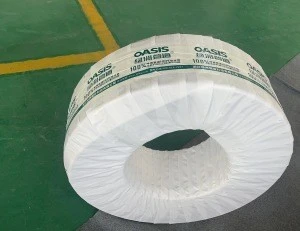

As a PE pipe supplier, I understand that choosing the right pipes and ensuring a proper installation is crucial for the success of your project. Whether you're looking for PE Pipework for a small - scale residential project or PE Plastic Pipe for a large - scale industrial application, we have a wide range of products to meet your needs.
If you're interested in purchasing PE pipes for your next project or have any questions about the installation process, feel free to reach out. Our team of experts is always ready to assist you with product selection, installation guidance, and any other concerns you may have. Contact us today to start your journey towards a reliable and efficient piping system.
References
- American Water Works Association. (2016). PE Pipe Design and Installation Manual.
- Plastics Pipe Institute. (2019). Polyethylene (PE) Pipe Handbook.


