


Hey there! As a supplier of PE plastic pipes, I've seen my fair share of issues when it comes to pipe cracking. It's a headache for everyone involved - from the installers to the end-users. But don't worry, I'm here to share some tips on how to prevent PE plastic pipes from cracking.
Understanding the Causes of Cracking
Before we dive into prevention methods, it's important to understand why PE plastic pipes crack in the first place. There are several factors that can contribute to cracking, including:
- Environmental Stress: PE pipes can be sensitive to environmental stress, such as extreme temperatures, UV radiation, and chemical exposure. For example, if a pipe is installed in an area with high temperatures, it can expand and contract, which can lead to cracking over time.
- Mechanical Stress: Pipes can also crack due to mechanical stress, such as improper installation, excessive bending, or impact damage. If a pipe is not installed correctly, it can be under stress, which can cause it to crack.
- Material Quality: The quality of the PE material used in the pipes can also affect their durability. Low-quality materials may be more prone to cracking, especially under stress.
Prevention Methods
1. Choose the Right Pipe for the Job
One of the most important steps in preventing cracking is to choose the right pipe for the job. Different applications require different types of PE pipes, so it's important to select the appropriate pipe based on the specific requirements of the project. For example, if you're installing a PE Gas Pipe, you'll need to choose a pipe that is specifically designed for gas applications. These pipes are typically made from high-density polyethylene (HDPE) and have a higher resistance to gas permeation.
Similarly, if you're installing a PE Pipe for Water Supply, you'll need to choose a pipe that is suitable for potable water. These pipes are usually made from medium-density polyethylene (MDPE) or HDPE and are designed to meet strict health and safety standards.
2. Proper Installation
Proper installation is crucial for preventing cracking. Here are some key installation tips to keep in mind:

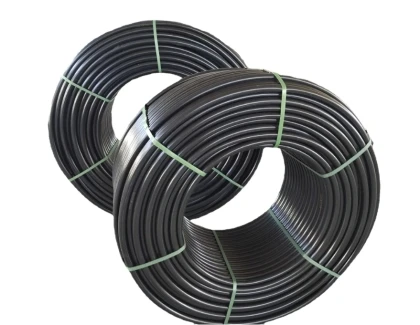
- Follow the Manufacturer's Instructions: Always follow the manufacturer's installation instructions carefully. These instructions will provide specific guidelines on how to install the pipes correctly, including the recommended installation methods, jointing techniques, and support requirements.
- Use the Right Tools and Equipment: Make sure you use the right tools and equipment for the installation. This includes using the correct pipe cutters, fusion machines, and support brackets. Using the wrong tools can damage the pipes and increase the risk of cracking.
- Avoid Excessive Bending: PE pipes have a certain degree of flexibility, but excessive bending can cause stress on the pipes and lead to cracking. Make sure you follow the manufacturer's recommendations on the maximum allowable bending radius for the pipes.
- Provide Adequate Support: Pipes should be properly supported to prevent sagging and excessive movement. Use support brackets or hangers at regular intervals to ensure the pipes are securely held in place.
3. Protect the Pipes from Environmental Stress
To prevent cracking due to environmental stress, it's important to protect the pipes from extreme temperatures, UV radiation, and chemical exposure. Here are some ways to do this:
- Insulate the Pipes: If the pipes are exposed to extreme temperatures, consider insulating them to reduce the impact of thermal expansion and contraction. Insulation can also help to prevent freezing in cold climates.
- Use UV-Resistant Pipes: If the pipes are exposed to sunlight, choose pipes that are UV-resistant. These pipes are designed to withstand the damaging effects of UV radiation and are less likely to crack over time.
- Avoid Chemical Exposure: PE pipes can be damaged by certain chemicals, so it's important to avoid exposing them to chemicals that are not compatible with the pipes. If the pipes need to be installed in an area where they may come into contact with chemicals, make sure you choose pipes that are resistant to those chemicals.
4. Regular Maintenance and Inspection
Regular maintenance and inspection are essential for detecting and preventing cracking. Here are some maintenance and inspection tips to keep in mind:
- Inspect the Pipes Regularly: Check the pipes regularly for signs of damage, such as cracks, leaks, or deformation. If you notice any issues, address them immediately to prevent further damage.
- Clean the Pipes: Keep the pipes clean to prevent the buildup of dirt, debris, and other contaminants. This can help to prevent corrosion and damage to the pipes.
- Perform Pressure Testing: Periodically perform pressure testing on the pipes to ensure they are functioning properly. Pressure testing can help to detect any leaks or weaknesses in the pipes before they become major problems.
Conclusion
Preventing cracking in PE plastic pipes requires a combination of proper selection, installation, protection, and maintenance. By following the tips outlined in this blog post, you can significantly reduce the risk of cracking and ensure the long-term performance of your PE pipes.
If you're in the market for high-quality PE plastic pipes, I'd love to hear from you. Whether you need PE Gas Pipe, PE Pipework, or PE Pipe for Water Supply, I can provide you with the right products for your project. Contact me today to discuss your requirements and get a quote.
References
- ASTM International. (2023). Standard Specification for Polyethylene (PE) Plastic Pipe (DR-PR) Based on Controlled Outside Diameter. ASTM D3035.
- British Standards Institution. (2023). Specification for Polyethylene (PE) Pipes for the Supply of Gaseous Fuels. BS EN 1555.
- International Organization for Standardization. (2023). Plastics Pipes and Fittings - Polyethylene (PE) Pipes and Fittings for Water Supply - Guidance on the Use of PE 100 and PE 80 Materials. ISO 4427.


