


Yo, what's up! I'm a supplier of PE pipes, and today I wanna chat about the abrasion resistance of PE pipes. It's a pretty important factor when it comes to choosing the right pipes for different applications.
First off, let's understand what abrasion resistance means. In simple terms, it's the ability of a material to withstand wear and tear caused by friction when it comes into contact with other surfaces. For PE pipes, this is super crucial because they're often used in environments where they might rub against rocks, sand, or other rough materials.
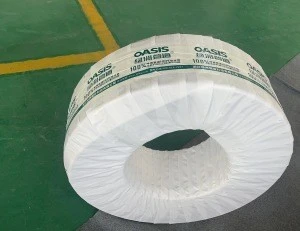

PE pipes are made from polyethylene, a type of plastic that has some really cool properties. One of those properties is its relatively good abrasion resistance. Compared to some other types of pipes, like metal pipes, PE pipes can handle a fair amount of abrasion without getting damaged too quickly.
The molecular structure of polyethylene plays a big role in its abrasion resistance. The long - chain molecules in polyethylene are flexible and can absorb the energy from the abrasion process. When a rough surface rubs against a PE pipe, these molecules can move and adjust, reducing the impact of the friction. This means that the pipe doesn't wear down as fast as it would if it were made of a more brittle material.
Now, there are different grades of PE pipes, and each grade has a different level of abrasion resistance. For example, high - density polyethylene (HDPE) pipes generally have better abrasion resistance than low - density polyethylene (LDPE) pipes. HDPE has a more compact molecular structure, which makes it more resistant to the forces of abrasion. If you're in an environment where there's a lot of abrasive material, like in a mining operation or a construction site, HDPE pipes might be your best bet.
But it's not just about the type of polyethylene. The manufacturing process also affects the abrasion resistance of PE pipes. Pipes that are extruded under the right conditions, with the proper temperature and pressure, will have a more uniform structure. This uniform structure helps to distribute the abrasion forces evenly across the pipe surface, preventing localized wear and tear.
Let's talk about some real - world applications where the abrasion resistance of PE pipes is a game - changer. In the agricultural sector, PE pipes are used for irrigation systems. These pipes are often buried underground, where they can come into contact with soil particles. The abrasion resistance of PE pipes ensures that they can last for a long time without developing leaks or cracks due to the constant rubbing against the soil.
In the oil and gas industry, PE Gas Pipe are used to transport natural gas and other fluids. These pipes are sometimes laid on the ocean floor or in areas with rough terrain. The ability of PE pipes to resist abrasion means that they can withstand the harsh conditions and keep the gas flowing safely.
Another area where PE pipes shine is in the PE Pipework for water treatment plants. The pipes are exposed to various chemicals and abrasive particles in the water. Thanks to their abrasion resistance, they can maintain their integrity and continue to function properly over time.
When it comes to PE Plastic Pipe, they're also used in industrial applications. For example, in factories where there are processes that involve the movement of abrasive materials, like sand or gravel, PE pipes can be used to transport these materials without getting damaged easily.
Now, you might be thinking, "How can I test the abrasion resistance of PE pipes?" Well, there are several standard tests available. One common test is the Taber abrasion test. In this test, a small sample of the PE pipe is placed on a rotating platform, and an abrasive wheel is applied to the surface of the sample. The amount of material that is worn off after a certain number of rotations is measured. This gives an indication of how well the pipe will perform in real - world abrasion situations.
Another test is the sand abrasion test. In this test, the pipe is exposed to a stream of sand particles at a certain velocity. The damage to the pipe surface is then evaluated to determine its abrasion resistance.
It's important to note that while PE pipes have good abrasion resistance, there are still some factors that can reduce it. For example, if the pipes are exposed to high temperatures for a long time, the molecular structure of the polyethylene can start to break down, which will decrease its abrasion resistance. Also, if the pipes are installed in an environment where there are sharp objects that can puncture or scratch the surface, this can also lead to premature wear.
So, if you're in the market for pipes and you need something that can handle abrasion, PE pipes are definitely worth considering. As a PE pipe supplier, I can offer you a wide range of high - quality PE pipes that are designed to meet different abrasion requirements. Whether you're working on a small - scale project or a large - scale industrial application, I've got the right pipes for you.
If you're interested in learning more about our PE pipes or want to discuss your specific needs, don't hesitate to reach out. We can have a chat about the best type of PE pipes for your project, and I can give you a quote. Let's work together to find the perfect solution for your pipe needs.
References
- ASTM International standards on plastic pipe testing
- Industry reports on the performance of PE pipes in different applications


