


What is the surface finish of PPR pipe tees?
As a supplier of PPR pipe tees, I've had numerous inquiries regarding the surface finish of these essential plumbing components. The surface finish of PPR (Polypropylene Random Copolymer) pipe tees is not just a matter of aesthetics; it plays a crucial role in the functionality, durability, and overall performance of the pipes in various plumbing systems.
Understanding PPR Pipe Tees
PPR pipe tees are T - shaped fittings used to connect three pipes at a 90 - degree angle. They are widely used in both residential and commercial plumbing systems for water supply, heating, and other fluid - carrying applications. These tees are known for their excellent chemical resistance, high - temperature tolerance, and long service life.
The Importance of Surface Finish
The surface finish of PPR pipe tees impacts several aspects of their performance:
Hygiene
In potable water systems, a smooth surface finish is essential. A smooth surface reduces the risk of bacteria and other microorganisms adhering to the inner walls of the tee. Rough surfaces can create pockets where these contaminants can accumulate, leading to potential health hazards. A high - quality surface finish ensures that the water flowing through the tee remains clean and safe for consumption.
Flow Characteristics
A smooth interior surface finish minimizes friction between the fluid and the pipe wall. This results in a more efficient flow of water or other fluids through the tee. Reduced friction means less energy is required to pump the fluid, leading to lower energy costs in large - scale plumbing systems. Additionally, a smooth surface helps prevent the formation of turbulence, which can cause noise and vibration in the pipes.
Corrosion Resistance
PPR is inherently resistant to corrosion, but a good surface finish further enhances this property. A smooth and uniform surface is less likely to develop micro - cracks or pits where corrosive substances can penetrate. This is especially important in environments where the pipes may be exposed to chemicals or harsh water conditions.
Aesthetics
In visible plumbing installations, such as in some commercial buildings or modern residential designs, the external surface finish of PPR pipe tees matters. A smooth, clean - looking surface gives a professional and high - quality appearance to the plumbing system.
Types of Surface Finishes
There are several types of surface finishes commonly found on PPR pipe tees:
Smooth Finish
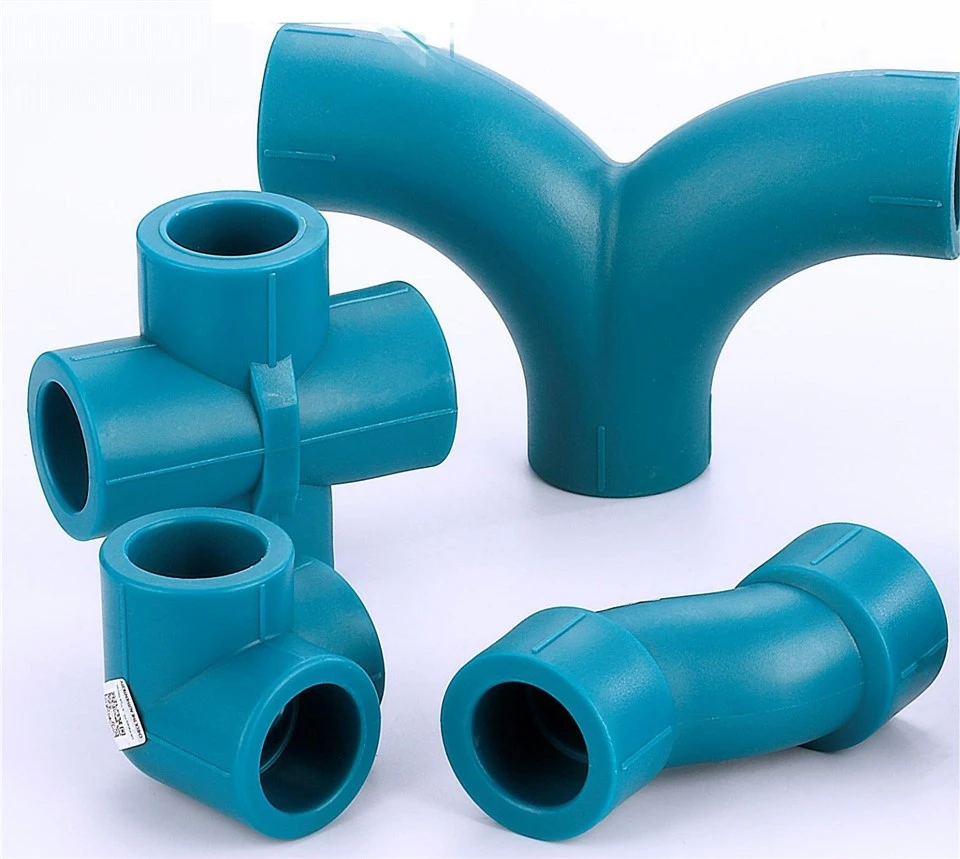
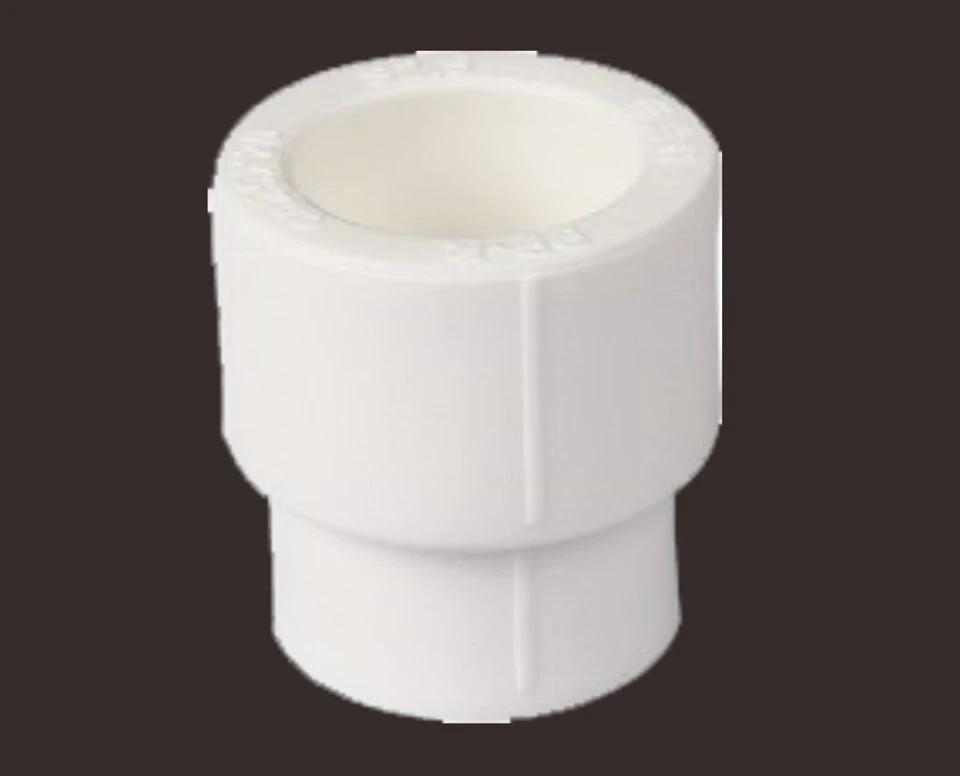
This is the most common and desirable finish for PPR pipe tees. A smooth finish is achieved through a precise manufacturing process that ensures the inner and outer surfaces of the tee are free from roughness, bumps, or irregularities. Smooth - finished tees are suitable for all types of plumbing applications, especially those where hygiene and flow efficiency are critical.
Matte Finish
A matte finish has a slightly dull appearance compared to a smooth finish. It is often used in applications where glare reduction is desired, such as in some industrial settings. Matte - finished PPR pipe tees still maintain good flow characteristics and corrosion resistance, but they may be more prone to showing fingerprints and dirt compared to smooth finishes.
Textured Finish
Textured finishes are less common but can be used in specific applications. A textured surface can provide better grip for installation in some cases, especially when the tee needs to be manually adjusted during the plumbing process. However, textured finishes may require more careful cleaning to maintain hygiene standards.
Our Manufacturing Process for Surface Finish
As a PPR pipe tee supplier, we take great pride in our manufacturing process to ensure the highest quality surface finish.
We start with high - grade PPR raw materials. These materials are carefully selected for their purity and consistency, which is the foundation for a good surface finish. The raw materials are then melted and injected into precision - made molds. The molds are designed to create a smooth and accurate shape of the tee.
During the injection molding process, we control the temperature, pressure, and cooling rate precisely. This helps to prevent the formation of defects such as air bubbles, sink marks, or warping on the surface of the tee. After the molding process, the tees undergo a thorough inspection. Any tees with surface imperfections are rejected to ensure that only the best - quality products reach our customers.
Related PPR Pipe Fittings
In addition to PPR pipe tees, we also offer a wide range of other PPR pipe fittings, such as Coupling PPR, PPR 90° Equal Elbow, and PPR Female Threaded Elbow. These fittings are manufactured with the same high - quality surface finish standards as our pipe tees to ensure seamless integration and optimal performance in your plumbing systems.
Quality Control and Testing
To guarantee the quality of our PPR pipe tees' surface finish, we have a comprehensive quality control system in place. We conduct regular in - house testing using advanced equipment. For example, we use surface roughness testers to measure the smoothness of the inner and outer surfaces of the tees. We also perform visual inspections under different lighting conditions to detect any surface defects that may not be visible to the naked eye.
In addition to in - house testing, we also send samples to independent third - party laboratories for verification. These tests include chemical composition analysis, pressure testing, and long - term durability testing. By adhering to strict quality control measures, we ensure that our PPR pipe tees meet or exceed industry standards.
Conclusion
The surface finish of PPR pipe tees is a critical factor that affects their performance, durability, and aesthetics. As a supplier, we are committed to providing high - quality PPR pipe tees with excellent surface finishes. Whether you need tees for a small residential plumbing project or a large - scale commercial installation, our products are designed to meet your needs.
If you are interested in our PPR pipe tees or other related fittings, we invite you to contact us for more information and to discuss your specific requirements. We are ready to assist you in selecting the right products for your plumbing system and look forward to the opportunity to work with you.
References
- "Plastic Pipes Handbook" by V. K. Stokes
- "Polypropylene: Structure, Blends and Composites" by S. Fakirov
- Industry standards and guidelines for PPR pipe fittings


