


What is the Temperature Range for PE Pipework?
As a supplier of PE pipework, I often get asked about the temperature range that these pipes can withstand. Understanding the temperature limits of PE (Polyethylene) pipes is crucial for their proper installation and long - term performance in various applications. In this blog, I'll delve into the details of the temperature range for PE pipework and how it impacts different uses.
Basics of PE Pipework and Temperature Resistance
PE pipes are made from polyethylene, a thermoplastic polymer. The material's molecular structure gives it certain properties related to temperature. Generally, PE pipes have a wide temperature range within which they can function effectively.
For most standard PE pipes, the recommended operating temperature range is between -20°C and 40°C. At lower temperatures, PE pipes become more brittle. When the temperature drops below -20°C, the risk of cracking during installation or due to external impacts increases significantly. For example, if you try to bend a PE pipe at extremely low temperatures, it may break rather than flex as it would at normal temperatures.
On the higher end, when the temperature exceeds 40°C, the PE material starts to soften. This softening can lead to a reduction in the pipe's pressure - bearing capacity. If a PE pipe is operating under high pressure and the temperature rises above the recommended range, there is a risk of the pipe deforming or even bursting.
Impact of Temperature on Different Types of PE Pipes
- PE Pipe for Water Supply
Water supply systems using PE Pipe for Water Supply are common in both residential and commercial settings. In cold climates, the low - temperature brittleness of PE pipes needs to be carefully considered. For instance, in regions where winter temperatures can drop well below freezing, proper insulation of the pipes is essential. Insulation helps to maintain the temperature of the water inside the pipe and prevents the pipe from reaching temperatures where it becomes brittle.
On the other hand, in hot climates, the elevated temperatures can affect the water quality inside the pipe. If the water in the pipe gets too warm, it can promote the growth of bacteria. Also, the softening of the pipe due to high temperatures may cause the pipe to sag or deform over time, which can disrupt the flow of water.
- PE Gas Pipe
PE Gas Pipe is used for transporting natural gas. Temperature plays a critical role in the safety of these pipes. At low temperatures, the risk of gas leakage due to pipe cracking is a major concern. Gas leakage can be extremely dangerous, as it can lead to explosions or fires. Therefore, in cold regions, special installation techniques are often employed to protect the gas pipes from the cold. This may include burying the pipes deeper underground, where the temperature is more stable.
In high - temperature environments, the softening of the PE gas pipe can reduce its ability to contain the high - pressure gas. Gas companies need to monitor the temperature of the pipes closely and may need to take measures such as reducing the gas pressure or providing additional cooling if necessary.
- PE Plastic Pipe
PE Plastic Pipe is used in a wide range of applications, from agricultural irrigation to industrial fluid transportation. In agricultural irrigation, the pipes are often exposed to the elements. During hot summers, the pipes may be subjected to direct sunlight, which can raise their temperature significantly. This can lead to premature aging of the pipes and a reduction in their service life.
In industrial applications, the fluids being transported may have different temperature requirements. For example, if the fluid is hot, the PE pipe needs to be able to withstand the high temperature without degrading. Special high - temperature - resistant PE pipes may be required for such applications.
Factors Affecting the Temperature Range of PE Pipework
- PE Grade
There are different grades of PE, such as PE80 and PE100. PE100 has a higher density and better mechanical properties compared to PE80. As a result, PE100 pipes generally have a slightly wider temperature range. They can withstand slightly higher pressures at elevated temperatures and are less brittle at lower temperatures. When selecting PE pipes, it's important to choose the appropriate grade based on the expected temperature conditions. - Pipe Wall Thickness
Thicker - walled PE pipes tend to have better temperature resistance. A thicker wall can provide more insulation and structural support. For example, in a high - temperature application, a thicker - walled pipe will take longer to heat up and will be less likely to deform compared to a thinner - walled pipe. - Installation Conditions
Proper installation can also affect the temperature performance of PE pipes. For example, if the pipes are installed in a well - ventilated area, they are less likely to overheat. In contrast, if the pipes are buried in a confined space with poor heat dissipation, the temperature inside the pipe may rise more quickly.
Testing and Certification
To ensure the quality and temperature resistance of PE pipes, various testing and certification procedures are in place. Manufacturers typically conduct tests such as hydrostatic pressure tests at different temperatures to determine the pipe's performance. Certifications from recognized standards organizations, such as ISO or ASTM, provide assurance that the pipes meet certain quality and temperature - related criteria.
Conclusion and Call to Action
In conclusion, the temperature range for PE pipework is an important factor that needs to be considered in all applications. Whether it's for water supply, gas transportation, or industrial use, understanding the temperature limits of PE pipes is crucial for their safe and efficient operation.

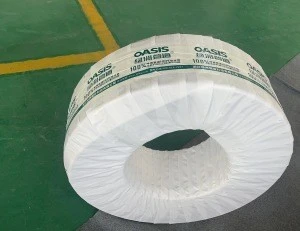
As a PE pipework supplier, we offer a wide range of high - quality PE pipes that are designed to meet different temperature requirements. Our team of experts can help you select the right pipes for your specific application and provide guidance on proper installation and maintenance.
If you are in need of PE pipes for your project, we encourage you to contact us for a detailed discussion. We can provide you with the best solutions based on your temperature and other requirements. Let's work together to ensure the success of your project.
References
- "Handbook of Polyethylene" by Andrew Peacock. This book provides in - depth information on the properties of polyethylene, including its temperature - related characteristics.
- Standards documents from ISO (International Organization for Standardization) and ASTM (American Society for Testing and Materials) related to PE pipes. These standards define the testing methods and performance requirements for PE pipes at different temperatures.


